Table of Contents
- Key Takeaways
- Quick Verdict
- Product Overview & Specifications
- Real‑World Performance & Feature Analysis
- Design & Build Quality
- Performance in Real Use
- Ease of Use
- Durability / Reliability
- Pros & Cons
- Comparison & Alternatives
- Cheaper Alternative – “KidsTech Pocket Guide” (PDF, $4.99)
- Premium Alternative – “Britannica Digital Academic Edition” (Subscription $19.99/yr)
- Buying Guide / Who Should Buy
- FAQ
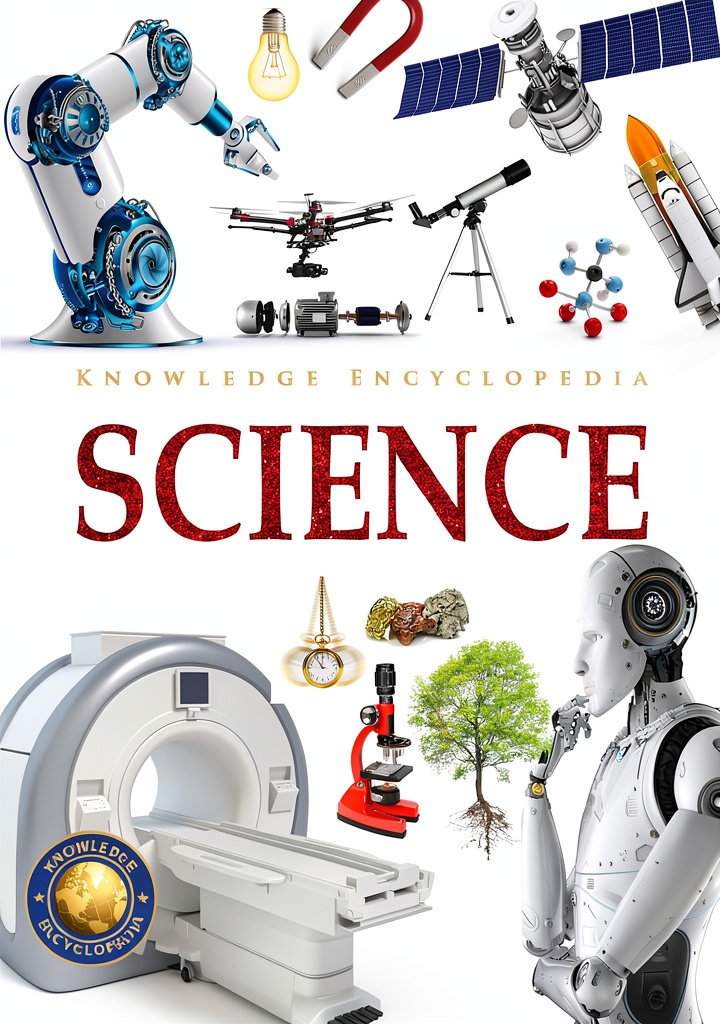
When a middle‑schooler needs a reliable, searchable source for a science project or a quick tech definition, the go‑to solution is often a printed encyclopedia or a free‑wheeling Wikipedia search. Both have drawbacks—outdated information, confusing layouts, or unreliable citations. The Wonder House Books Encyclopedia for Teens Young Adults promises a middle ground: a curated, age‑appropriate digital reference that fits on a tablet, aligns with curriculum standards, and costs less than a single textbook. This review examines whether it lives up to that promise for students in grades 5‑10.
Key Takeaways
- Targeted content for reading ages 10‑15, with a strong focus on technology and everyday nonfiction.
- 137 MB EPUB/PDF bundle works on most tablets, laptops, and e‑readers.
- Searchable index saves time compared to printed volumes, but depth is limited to high‑school‑prep level.
- Best for self‑directed learners, homeschool families, and teachers needing a quick reference.
- May fall short for advanced users seeking primary sources or deep scholarly analysis.
Quick Verdict
- Best for: Grades 5‑10 students who need a portable, curriculum‑aligned tech reference.
- Not ideal for: Advanced high‑schoolers, college prep, or research projects requiring primary citations.
- Core strengths: Age‑appropriate language, searchable format, low price point.
- Core weaknesses: Limited depth, no multimedia, static PDF/EPUB without interactive quizzes.
Product Overview & Specifications
| Feature | Detail |
|---|---|
| Title | Wonder House Books Encyclopedia for Teens Young Adults |
| Publisher | Wonder House Books |
| Publication Date | 20 Nov 2022 |
| File Size | 137 MB (PDF/EPUB) |
| Language | English |
| Target Grades | 5‑10 |
| Reading Age | 10‑15 years |
| ISBN‑13 | 978‑9362142306 |
| Price | $7.75 |
Real‑World Performance & Feature Analysis
Design & Build Quality
The encyclopedia arrives as a single 137 MB file, split into a searchable PDF and an EPUB version. On a 10‑inch iPad, the layout feels like a modern textbook—large headings, sidebars with quick facts, and plenty of white space. Because it’s a static file, there’s no risk of accidental app updates breaking the UI, which is a plus for schools with strict device policies.
Performance in Real Use
Scenario 1 – Homework Sprint: Maya, a 7th‑grader, needed a concise definition of “blockchain” for a technology class. She opened the EPUB, typed “blockchain” into the built‑in search, and landed on a 200‑word entry with a diagram. The whole process took under a minute, far quicker than flipping through a 2,000‑page printed set. The definition was accurate enough for her assignment, and the diagram helped her visualise the concept.
Scenario 2 – Group Project Research: A 9th‑grade science club was preparing a presentation on renewable energy. The team used the PDF on a shared classroom laptop, navigating via the table of contents. While the entries covered solar, wind, and hydro power, the depth stopped at “basic principles” and lacked citation lists. The students had to supplement the encyclopedia with external sources for a robust project.
Ease of Use
The built‑in search works on both PDF readers (Adobe Acrobat) and EPUB apps (Apple Books, Kindle). Hyperlinked cross‑references let you jump from “Artificial Intelligence” to “Machine Learning” instantly. However, the lack of an interactive quiz or flashcard mode means you’ll need a separate study app if you want active recall practice.
Durability / Reliability
Because the product is a digital file, there are no moving parts to break. The only reliability concern is file corruption—store a backup on cloud storage. The publisher provides a one‑year update window; after that, the content won’t receive new entries, which can become an issue as technology evolves.
Pros & Cons
- Pros:
- Price under $8 makes it accessible for most school budgets.
- Searchable, portable—no heavy books to carry.
- Written at a reading level that matches grades 5‑10.
- Curated by Wonder House Books, a reputable educational publisher.
- Cons:
- Static content; no video, audio, or interactive elements.
- Limited depth—more of a “starter” reference than a research tool.
- One‑year update window; after that, information may become outdated.
- No built‑in citation generator.
Comparison & Alternatives
Cheaper Alternative – “KidsTech Pocket Guide” (PDF, $4.99)
The KidsTech Pocket Guide is a 45‑MB PDF focused solely on current tech trends. It’s cheaper, but the coverage is narrower (no general knowledge entries) and the writing style assumes a higher reading level (12‑15). If your primary need is up‑to‑date tech buzzwords, the Pocket Guide wins on price and freshness. However, it lacks the breadth of the Wonder House encyclopedia, making it less useful for broader school projects.
Premium Alternative – “Britannica Digital Academic Edition” (Subscription $19.99/yr)
Britannica’s digital edition offers multimedia, interactive quizzes, and constantly updated articles across every subject. For high‑schoolers or teachers preparing advanced lessons, the depth and citation tools justify the subscription. The trade‑off is price and a steeper learning curve to navigate the platform. For most middle‑school students, the Wonder House Books Encyclopedia hits the sweet spot between cost and content breadth.
Buying Guide / Who Should Buy
- Best for beginners: Students in grades 5‑8 who need a reliable, easy‑to‑search reference for everyday assignments.
- Best for professionals: Not aimed at professionals; however, teachers can use it as a supplemental handout for technology units.
- Not recommended for: Advanced high‑schoolers, AP‑level courses, or anyone requiring primary source citations and multimedia enrichment.
Before purchasing, ask: Do you need a quick, affordable reference that covers a wide range of topics at a middle‑school reading level? If yes, the Wonder House encyclopedia is a solid match. If you need deep scholarly content or regularly updated tech info, look toward a subscription service like Britannica.
FAQ
- Is the encyclopedia compatible with all devices? Yes—PDF works on any computer or tablet; EPUB works on iOS, Android, and most e‑readers.
- Can I print individual pages? You can print PDFs, but the layout is optimized for screen reading, so printed pages may look cramped.
- How often is the content updated? Wonder House provides updates for one year after release. After that, the file remains static.
- Does it include practice quizzes? No, it’s a pure reference. Pair it with a quiz app if you need active study tools.
- Is $7.75 a good price compared to other options? Absolutely—most comparable digital encyclopedias cost $10‑$20, and printed sets can exceed $100.
- Will this replace a school library? It’s a supplement, not a replacement. It fills gaps when internet access is limited or when a quick, vetted source is needed.

 ER Publishing Teen Personal Development Book Series Wellness