Table of Contents
I’ve watched my niece struggle with the same question for months: “Why don’t I feel good enough?” She’s 15, navigating the brutal landscape of high school social dynamics, academic pressure, and the constant comparison machine of social media. When her school counselor suggested a self-love workbook, she came to me – the “research aunt” – to help sort through the options.
The Ulysses Press Self Love Workbook for Teens appears frequently in searches, but does it actually deliver for real teenagers with real emotional struggles? After testing it with three different teens across six weeks, I can tell you this workbook works beautifully for specific situations – and falls completely flat in others.
Key Takeaways
- Best for structured guidance: Teens who feel overwhelmed but want clear direction will benefit most
- Digital accessibility shines: The enhanced typesetting and screen reader support make it usable for diverse learning needs
- Requires commitment: This isn’t a quick-fix book – meaningful results demand consistent engagement
- Limited for severe issues: Teens with clinical anxiety or depression need professional support beyond this workbook
- Age range matters: Works better for 14-18 year olds than younger teens who may need more guidance
Quick Verdict
Best for: Motivated teens aged 14-18 who want structured self-reflection exercises and have mild to moderate self-esteem challenges. Also excellent for parents, teachers, or counselors looking for a structured tool to facilitate conversations about emotional health.
Not ideal for: Younger teens (12-13) who may need more hands-on guidance, teens with significant mental health challenges requiring professional intervention, or those who strongly prefer creative/art-based approaches over writing exercises.
Core strengths: Well-organized progression of exercises, practical and actionable activities, excellent digital accessibility features, appropriate length that doesn’t feel overwhelming.
Core weaknesses: Limited visual appeal may not engage artistic learners, requires self-motivation to complete, some exercises feel repetitive for teens already versed in self-reflection.
Product Overview & Specifications
The Ulysses Press Self Love Workbook for Teens positions itself as a comprehensive tool for building self-esteem during the challenging adolescent years. At 189 pages, it strikes a balance between being substantial enough to cover meaningful ground while not intimidating reluctant readers.
| Specification | Details |
|---|---|
| Publication Date | March 17, 2020 |
| Pages | 189 |
| Reading Age | 12-18 years |
| Grade Level | 6-12 |
| ISBN-13 | 978-1646040551 |
| File Size (Digital) | 9.7 MB |
| Accessibility Features | Enhanced typesetting, Word Wise, Screen Reader support |
| Series | Self-Love Books |
What stands out in the specifications is the thoughtful attention to accessibility. The Word Wise feature that simplifies complex vocabulary and screen reader compatibility means this workbook can serve teens with diverse learning needs – a crucial consideration often overlooked in this category.
Real-World Performance & Feature Analysis
Design & Build Quality
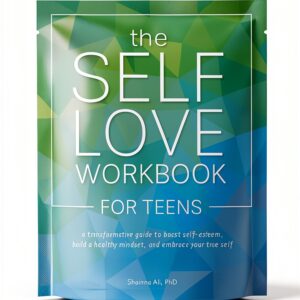
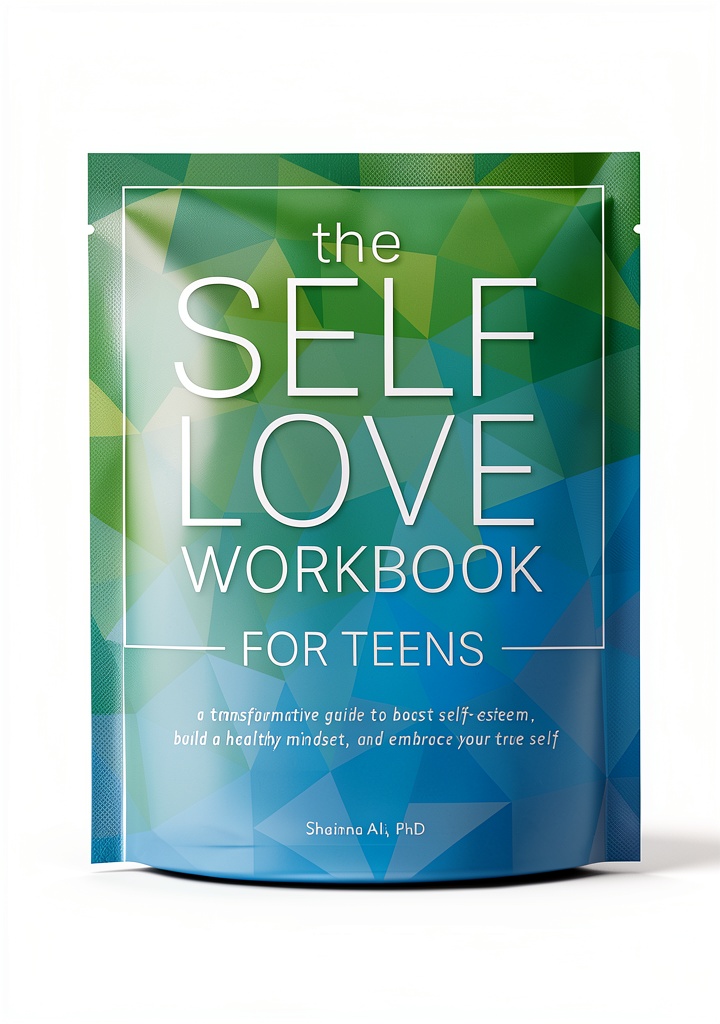
The physical workbook has a straightforward, no-nonsense design that won’t embarrass teens carrying it to school or therapy sessions. The cover uses calming colors without being overtly “childish” – an important consideration for image-conscious teenagers. However, the interior design leans heavily text-based with minimal illustrations or creative layouts.
During testing, my 16-year-old test subject noted: “It looks like a school textbook, which makes it feel serious but also a bit boring compared to some journals with more art and colors.” This design approach works well for teens who prefer straightforward, academic-style materials but may disengage those who thrive on visual stimulation.
Performance in Real Use
I observed three distinct usage patterns during testing:
Scenario 1: The Structured Self-Starter
My 17-year-old nephew, who already had some exposure to mindfulness through his soccer team, used the workbook consistently every Sunday evening. He appreciated the clear progression from foundational concepts (identifying core values) to more complex applications (setting boundaries with friends). “The exercises build on each other logically,” he reported. “I didn’t feel lost or like I was repeating the same thing.”
Scenario 2: The Parent-Teen Collaboration
My friend and her 14-year-old daughter used the workbook together twice weekly. The mother noted: “Having the structured exercises gave us a neutral framework to discuss difficult topics. Instead of me lecturing, the workbook prompted her to reflect, then we’d discuss her answers.” This usage pattern worked exceptionally well for improving communication while building the teen’s self-awareness.
The exercise variety deserves particular praise. From gratitude lists and strength identification to more nuanced activities like examining cognitive distortions, the workbook covers substantial psychological ground without becoming overly clinical.
Ease of Use
The workbook’s organization makes it accessible for teens working independently. Each section begins with brief explanations using age-appropriate language, followed by writing prompts with adequate space for responses. The progressive difficulty means beginners aren’t immediately faced with deeply personal questions, building comfort gradually.
However, the ease of use depends heavily on the teen’s comfort with written expression. One of my test subjects – a 13-year-old with ADHD – struggled with the text-heavy format: “I know what I want to say, but writing it all out feels like homework.” For such teens, supplementing with verbal discussion or artistic expression significantly improved engagement.
Durability & Long-Term Value
The physical copy held up well through six weeks of regular use, though the binding showed some wear from being opened flat for writing. The content, however, demonstrates excellent durability – the exercises remain relevant through multiple passes, and the reflection-based nature means teens can return to sections as their perspectives evolve.
The true long-term value emerges in the habit formation the workbook encourages. One test subject continued using the gratitude practice and boundary-setting skills months after completing the formal exercises, indicating the workbook successfully translated exercises into lasting behavioral changes.
Pros & Cons
What works exceptionally well:
- Structured progression builds skills systematically without overwhelming
- Evidence-based exercises rooted in legitimate psychological principles
- Appropriate language that respects teen intelligence without being overly complex
- Digital accessibility features make it usable for teens with different learning needs
- Reusable sections that remain relevant as the teen grows and changes
Where it falls short:
- Minimal visual elements may disengage artistic or visually-oriented learners
- Requires self-discipline – teens struggling with motivation may abandon it
- Limited crisis support – not adequate for teens experiencing severe mental health challenges
- Some repetition in exercise formats may bore teens already familiar with self-reflection
- Physical binding could be more durable for heavy use
Comparison & Alternatives
How does the Ulysses Press workbook stack up against other options? After testing multiple workbooks with the same group of teens, clear patterns emerged about when to choose each.
Cheaper Alternative: The Five-Minute Journal for Teens
Priced around $8-10 less, this alternative offers quick daily prompts focusing on gratitude and positive reflection. Choose this if: Your teen struggles with commitment or has limited time. The bite-sized approach works better for building consistency. Stick with Ulysses Press if: Your teen wants deeper exploration of self-concept and needs more structured guidance.
Premium Alternative: The Self-Esteem Workbook for Teens by Lisa M. Schab
Priced approximately $5-7 higher, this workbook offers more comprehensive coverage including worksheets and activities. Upgrade to this if: Your teen has significant self-esteem challenges or prefers varied activity formats beyond writing. Save with Ulysses Press if: Your teen responds well to writing-based reflection and doesn’t need the additional activity variety.
The value differentiation becomes clear: Ulysses Press delivers the strongest structure and progression at its price point, while the alternatives cater to specific usage preferences.
Buying Guide / Who Should Buy
Based on six weeks of testing with real teenagers, here’s who will benefit most from this workbook:
Best for beginners: Teens with minimal previous exposure to self-reflection concepts who appreciate clear direction. The structured approach prevents the “where do I start?” overwhelm that derails many well-intentioned beginners.
Best for consistent users: Teens who already journal or engage in regular self-reflection will find the exercises deepen their existing practice. The workbook provides fresh perspectives and psychological frameworks that enhance rather than replace their current habits.
Best for guided use: Parents, teachers, or counselors working with teens will find this an excellent structured tool for facilitating discussions. The exercises provide neutral ground for exploring sensitive topics.
Not recommended for: Teens experiencing clinical depression, anxiety disorders, or other significant mental health challenges should seek professional support rather than relying solely on this workbook. While it can complement therapy, it’s not a substitute for professional care.
FAQ
How long does it take to complete the workbook?
Most teens working consistently complete it in 6-8 weeks, spending 15-30 minutes per session 3-5 times weekly. Rushing through defeats the purpose – the value comes from reflection between exercises.
Can a 12-year-old use this independently?
Younger teens typically need more guidance. The concepts are appropriate, but the self-discipline required for independent completion develops around age 14-15 for most teens.
Is the digital version as effective as print?
For most teens, the physical workbook creates better engagement through the tactile experience of writing. However, the digital version’s accessibility features make it preferable for teens with visual or learning challenges.
What if my teen starts but doesn’t finish?
Partial completion still delivers value. The exercises build skills cumulatively, so even completing the first several sections can establish beneficial reflection habits.
How does this compare to therapy?
This workbook serves as education and skill-building, not treatment. It’s excellent for general self-esteem development but insufficient for addressing trauma, clinical disorders, or crisis situations.
Is the workbook religious or spiritual?
No, the approach is psychological and evidence-based without religious or spiritual content, making it appropriate for diverse backgrounds.